

Everyone knows the popular dogs. The Labradors. The Golden Retrievers. The French Bulldogs with their little snorts and oversized personalities. But beyond the spotlight sits a long list of incredible breeds that rarely get the attention they deserve.
And that is where things get interesting.
Because when someone starts looking into the underrated dog breeds USA, they often discover companions that are loyal, adaptable, and surprisingly low maintenance. Dogs with history. Dogs with grit. Dogs that quietly outshine the trendy favorites.
Let’s talk about ten of them. And more importantly, let’s talk about what they actually need to thrive.
Popularity does not equal compatibility. That is the first thing people learn once they move beyond trends. Some of the most balanced family dogs come from the list of underrated dog breeds USA. They simply never had the marketing push. Or the viral moment.
Take the American English Coonhound. Athletic. Smart. Determined. This breed was built for endurance, which means nutrition cannot be an afterthought. High quality protein supports muscle repair. Moderate fat keeps energy stable.
Then there is the Otterhound. Big, shaggy, and affectionate. Their joints carry more weight, so controlled calories matter. Overfeeding a large rare breed can create long term issues no one wants.
These dogs may not trend on Instagram, but in the right home, they are exceptional.
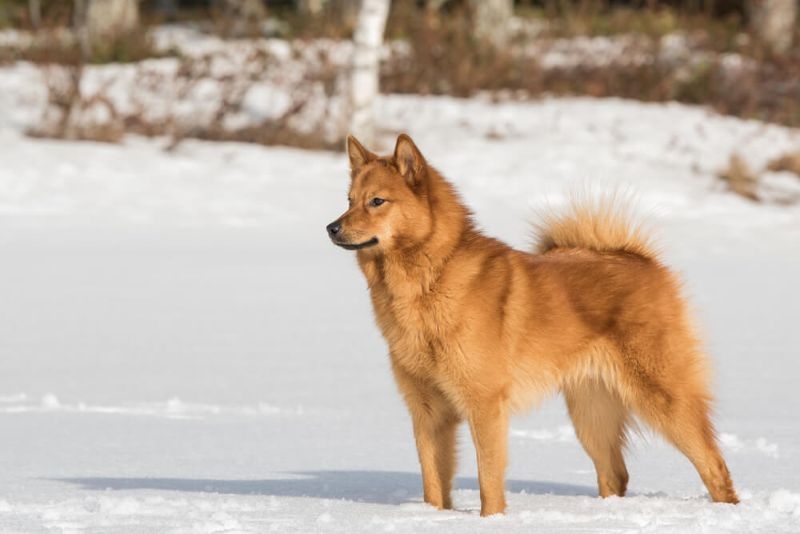
The Finnish Spitz is lively and expressive. Not huge. Not tiny. Just energetic.
Because of their size and metabolism, portion control is key. Owners looking for healthy dog food for small breedsoften find that smaller kibble size improves chewing and digestion. Energy dense formulas help sustain activity without needing oversized servings. And yes, they bark. A lot. But that is part of the charm.
The Plott Hound is North Carolina’s state dog. Tough. Loyal. Built to work. This breed thrives on protein rich meals. Following basic breed nutrition tips such as checking ingredient labels and avoiding fillers can make a noticeable difference in coat shine and stamina.
Owners sometimes underestimate how much consistent fueling matters for active dogs. It matters a lot.
The Bergamasco Sheepdog looks like it belongs in a medieval painting. That unique coat? It requires nutrients that support skin health. Omega fatty acids are not optional here.
Because they are medium sized working dogs, referencing a reliable medium breed food guide helps keep calorie intake aligned with activity levels. They may look dramatic. They are surprisingly calm indoors.
Often overshadowed by smaller hounds, the American Foxhound is lean and independent. Their build demands lean muscle maintenance. Overfeeding leads to sluggishness. Underfeeding affects stamina. Balance is everything.
This is where the best diet for rare breeds becomes more than a buzz phrase. It becomes practical decision making.
The Norwegian Lundehund is rare. Very rare. Flexible joints. Unique digestive quirks.
Many owners find success with limited ingredient formulas. Digestibility matters more than flashy marketing claims. Monitoring stool quality and energy levels provides better insight than any advertisement. Some breeds simply require more observation. This is one of them.
Check More: Dog Diet By Breed Size For Healthier And Happier Pets
The Canaan Dog is alert and intelligent. Historically resilient.
They do not need extravagant diets. They need consistency. Feeding schedules should remain stable. Portion sizes measured. Sudden changes avoided. Among rare dog breed care tips, predictability often ranks higher than complexity.
Low profile. Stocky. Gentle. Weight management is critical because of their longer backs. Over time, excess pounds create strain. Owners sometimes assume a smaller dog can eat freely. That assumption causes problems.
The second time someone researches healthy dog food for small breeds, they usually focus more on nutrient density than brand name.
Compact but strong, this terrier needs structured meals and regular activity. Too many treats? Weight creeps up quickly.
Revisiting core breed nutrition tips such as maintaining protein quality and limiting processed fillers helps preserve muscle tone. Sometimes simple adjustments create noticeable improvements.
Yes, this breed deserves another mention. Large dogs with slower metabolisms often need careful calorie monitoring. Exploring the best diet for rare breeds in consultation with a veterinarian prevents guesswork. Growth rates, joint support, and portion sizes all matter.
Big frames require thoughtful planning.
Returning to this athletic breed highlights a broader truth. The second time people examine the list of underrated dog breeds USA, they often realize these dogs were never lacking quality. They were lacking exposure.
For active breeds, balanced macronutrients support endurance. Carbohydrates provide quick fuel. Protein repairs muscle. Fats sustain longer activity. Feeding decisions should reflect lifestyle. Not popularity.
It is tempting to assume rare breeds need exotic diets. Not usually true.
They need:
Following a practical medium breed food guide for mid sized dogs or choosing size appropriate formulas prevents overcompensation. The most reliable rare dog breed care tips are often the simplest. Measure food. Monitor weight monthly. Adjust gradually. Watch coat texture and energy. Dogs cannot articulate digestive discomfort. Owners have to observe.
Know More: Best Cat Food for Indoor Cats with Healthy Nutrition Overview
Here is the funny part. When someone adopts from the pool of underrated dog breeds USA, they often expect challenges. Instead, they get balance. Adaptability. Steady temperaments.
Without overbreeding driven by demand, many of these dogs retain working instincts and stable health patterns. With proper nutrition and exercise, they flourish. And honestly, there is something satisfying about choosing the dog no one else considered. Watching them prove their worth quietly. Sometimes the best companion is the one hiding just outside the spotlight.
Many breeds lack marketing exposure or media presence. Popularity often reflects trends rather than temperament or health advantages.
Not always. Most benefit from balanced diets tailored to size, age, and activity level rather than specialty formulas.
Consult veterinarians, monitor body condition regularly, and follow consistent feeding routines to ensure proper health and weight management.
This content was created by AI