

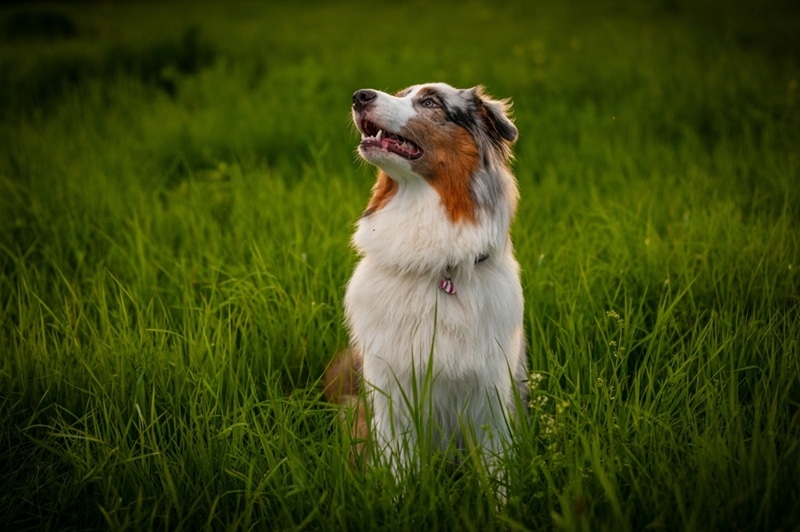
One of the smartest and most energetic herding dog breeds is the Australian Shepherd. These are recognized by their striking eyes, shaggy coat, and insatiable energy; it's no wonder these dogs have become such a favorite among active families and dog lovers around the world. Although known as the Australian Shepherd, the breed was actually developed in the USA and quickly made itself at home on ranches.
Today, Australian Shepherds are much more than working dogs. They've become beloved family pets, agility competition winners, hiking partners, and therapy animals. That being said, due to their energy and strong instincts, these dogs are not for every household.
We'll discuss everything you need to know about the Australian Shepherd, including temperament, exercise, lifespan, shedding, diet, colors, grooming, and fun facts about this amazing breed.
The Australian Shepherd is known for its athleticism and intelligence. The breed ranks among the top 20 most popular dog breeds in the United States, according to the American Kennel Club.
Many owners love the Australian Shepherd for its fluffy double coat. The coat is weather-resistant, and there are several eye-catching colors the breed comes in:
Most Aussies also have some tan or white markings on their coat. Many have a blue eye and a brown eye at the same time, also known as heterochromia.
The lifespan of an Australian Shepherd is 12 to 15 years. Many owners say that a healthy Australian Shepherd will live much longer. This breed's dietary and exercise needs should be considered to help the animal live a long and healthy life.
The Australian Shepherd is intelligent, energetic, and extremely loyal. Aussies are known to bond very strongly with their family members, often sticking very close throughout the day.
As mentioned earlier, the Australian Shepherd is one of the smartest dog breeds, coming second only to the Poodle. Dogs of this breed can learn commands very quickly. The intelligence of this dog breed means it may also enjoy mind-stimulating toys and challenging games. However, due to this high intelligence level and herding instinct, owners will need to provide their dog with lots of training, play, and stimulation, or the Australian Shepherd could become bored.
Try This: Underrated Dog Breeds USA: 10 Hidden Gems & Diet Tips
Australian Shepherds are fantastic family pets when properly trained. They are affectionate with their children and owners, but not overly aggressive. This breed does, however, still retain a strong herding instinct and will naturally try to herd children and any smaller household pets, which may sometimes involve a nippy bite to the heel of smaller household members. This natural trait should be developed through obedience training and socialization, especially from an early age. Aussies do work best within a busy, active family.
The Australian Shepherd's exercise needs are significantly higher than those of many other breeds. Ideally, an owner should provide their dog with 1 to 2 hours of exercise per day. A short walk around the block just isn't going to cut it, as this is a herding breed originally bred for herding livestock all day. Here are some common activities suitable for the breed:
Mental stimulation is important, so be sure to provide your dog with puzzle toys and complex training to help combat boredom. Well-exercised Aussie dog breed information will make a happy, content Aussie.
An Australian Shepherd's diet plays a large part in the quality of their coat, muscles, and joints. Because Aussies are an extremely active dog breed, they usually benefit from a protein-rich diet containing healthy fats and vitamins. Most Australian Shepherds consume about 1,200-1,800 calories a day, depending on size and activity level.
Be careful not to overfeed your Aussie, as it is possible for these dogs to gain weight rapidly when activity levels are suddenly lowered. Many owners like to use dog treats as a reward system, and Aussies respond well to it.
The Australian Shepherd does shed. While they are not extreme shedders, Aussies do have a fairly dense double coat that sheds year-round, especially in spring and fall. You should brush your Aussie weekly to help control the loose hair and prevent matting, but during the seasonal shedding periods, brushing 2-3 times per week is probably best. Bathing should be done only when necessary, as too many baths can strip the oils from the dog's skin and coat. Regular cleaning and checks should also be performed on the dog's nails, ears, and dental health.
Of the herding dog breeds, Australian Shepherds are probably among the easiest to train. Because they are extremely intelligent and eager to please, Aussies do well in most training programs. The breeds are very successful in a variety of tasks and jobs, including agility competitions, search and rescue, service dog work, herding, and many other areas. It is important to remember that Aussies learn fast and can be quite sensitive to scolding or harsh discipline. For this reason, it is best to stick with positive reinforcement when training this particular dog breed. Training should start from a young age, as habits will form quickly with this smart and receptive breed.
Like many breeds, Australian Shepherds have their fair share of common health issues. Some of these can include hip dysplasia, epilepsy, cataracts, and progressive retinal atrophy, as well as drug sensitivity because of the MDR1 gene. Luckily, most health issues in this breed can be reduced through good breeding practices and preventative vet care. Joint health in this breed is especially important, and dog owners should try to do everything they can to preserve the health of their Aussies' joints.
Here are some fun facts about Australian Shepherds that you might not already know:
The Australian Shepherd is the perfect choice for anyone who is looking for an intelligent and loyal dog that also enjoys a lifestyle that can involve quite a bit of physical activity. They are not only beautiful animals but also playful, and they will certainly win over the heart of even the sternest of individuals. This breed also takes well to training due to its intelligence and desire to please.
The needs of an Australian Shepherd dog, though, are not for the light-hearted. You have to be willing to give your canine friend all of the exercise that he or she needs and more, not to mention the need to constantly challenge your Aussie both physically and mentally. This Australian Shepherd breed can certainly make a loving, forever family member.
An Australian Shepherd can live in an apartment if their owners are extremely active and have enough time to meet the breed's high exercise and mental stimulation needs. If you choose to live in an apartment and you have an Australian Shepherd, your Aussie would require at least 1 to 2 hours of physical exercise and daily mentally stimulating activities and games. Access to a park and other outdoor spaces is also crucial for these dogs if they reside in an apartment.
Australian Shepherds will get along well with other animals if they are socialized as young dogs. Some Aussies do not take kindly to smaller or weaker animals and attempt to "herd" them at a later stage due to their herd mentality. When introducing other animals, do so with extreme caution and always under guidance during obedience training.
Generally, adult Australian Shepherds should be checked by their veterinarian once a year. This ensures that your Aussie is healthy, and has all of its appropriate vaccinations, as well as having a checkup for all of the basic wellness checks that it requires to ensure that it is neither overweight nor underweight, that its coat is maintained with great care, and that it has maintained an optimal level of physical activity.
This content was created by AI