

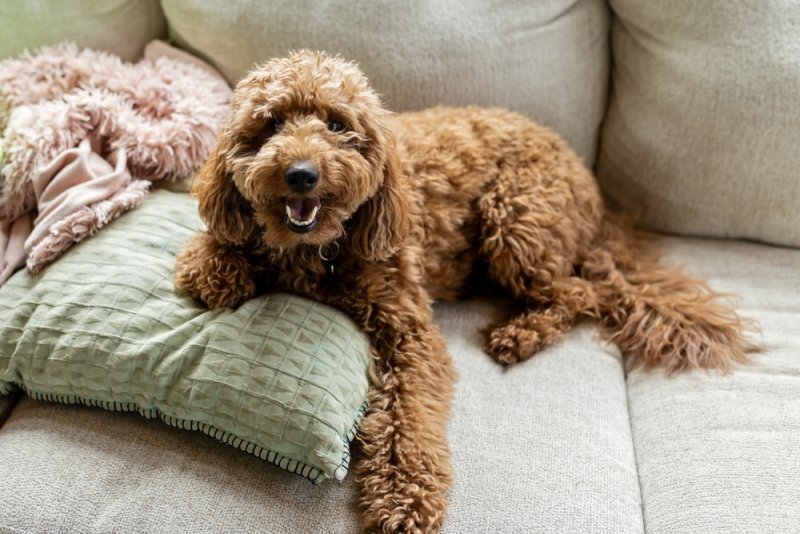
A lot of folks look up “hypoallergenic dog breeds” because they think it means no allergies at all. That’s just not true. Most allergies come from proteins in a dog’s dander, saliva, and urine. Those proteins stick to fur and end up all over your house. Some breeds under the “hypoallergenic” label do leave behind less hair, so sometimes they spread fewer allergens—but it’s not a guarantee.
Things like coat type, how often you groom the dog, the airflow in your house, and your own sensitivity all factor in. One family might be fine with a certain breed while another can't stop sneezing. So in this blog, we’ll break down some practical hypoallergenic dog options—big and small—along with info about shedding and how family-friendly each breed is.
Hypoallergenic dogs are breeds generally considered less likely to trigger allergies than heavily shedding dogs. They are not allergen-free. The term usually refers to breeds with coats that shed less, grow continuously, or retain loose hair more effectively.
For dogs for allergy sufferers, this distinction matters. A person may react strongly to one low-shedding breed yet tolerate another. Meeting the actual dog before adoption is therefore useful.
Low shedding dog breeds leave less loose hair around furniture, carpets, and clothing. Hair itself is not usually the main allergen, but it can carry dander and dried saliva.
Some non shedding dog breeds are better described as very low-shedding rather than truly non-shedding. Their coats still need regular brushing and trimming because dead hair remains trapped within the coat.
Also Read: Dog Diet By Breed Size For Healthier And Happier Pets
The best hypoallergenic dog breeds vary by household size, activity level, and allergy sensitivity; the breeds below are commonly considered when people want the best dogs for allergies without giving up companionship.
Poodles are among the most widely recognized allergy friendly dog breeds. Their curly coat sheds minimally, although it needs consistent grooming to prevent mats. Toy, Miniature, and Standard Poodles offer different sizes.
They are intelligent, active, and trainable, making them suitable for families willing to provide exercise and mental stimulation. Poodles are often included among dog breeds that don't shed heavily, but they still produce dander.
The Bichon Frise has a dense, curly coat that tends to retain loose hair rather than dropping it throughout the home. That makes the breed appealing for people researching hypoallergenic dogs that don't shed much.
Regular grooming is essential. Bichons are generally social and adaptable, though their companion-oriented nature means they may not enjoy being left alone for long periods.
Miniature Schnauzers have a wiry double coat with relatively low shedding. They are compact, alert, and energetic, making them practical small hypoallergenic dog breeds for apartments or smaller homes.
They still need brushing and periodic professional grooming. Their beard can also collect food and moisture, so routine cleaning is useful in allergy-conscious households.
Portuguese Water Dogs have a curly or wavy coat that sheds relatively little. They are larger, athletic dogs, so they fit households that can provide regular outdoor activity.
They are frequently considered among large hypoallergenic dog breeds, but size should not be confused with low maintenance. Exercise, grooming, and training remain substantial commitments.
The Soft Coated Wheaten Terrier has a soft, continuously growing coat with comparatively little shedding. It is another option for people comparing allergy friendly dog breeds.
The coat can mat easily without brushing. Wheatens are energetic, people-oriented dogs and generally need consistent training rather than being treated as purely low-maintenance pets.
Suggested Reading: Labrador Retriever Characteristics Every Family Should Know
The following comparison gives a quicker way to evaluate common best hypoallergenic dog breeds without treating one breed as suitable for every allergy sufferer.
| Breed | Approx. size | Shedding | Grooming | Household fit |
|---|---|---|---|---|
| Poodle | Small to large | Very low | High | Active families |
| Bichon Frise | Small | Very low | High | Apartments, families |
| Miniature Schnauzer | Small | Low | Moderate-high | Active smaller homes |
| Portuguese Water Dog | Medium-large | Low | High | Active families |
| Soft Coated Wheaten Terrier | Medium | Low | High | Active households |
For dogs for allergy sufferers, the useful comparison is not simply “which sheds least?” Grooming needs, exercise, size, and how the individual person reacts should also be considered.
Even hypoallergenic dog breeds can spread allergens indoors. Household routines therefore matter almost as much as breed selection.
Regular brushing removes loose coat material before it reaches sofas, floors, and bedding. Depending on the breed, professional trimming may also be needed every few weeks.
Grooming outside the main living area can reduce the amount of hair and dander entering bedrooms. For non shedding dog breeds, grooming is still necessary because a loose coat becomes trapped instead of simply falling away.
Vacuuming carpets, washing washable bedding, and cleaning frequently used surfaces can limit accumulated dander. A HEPA-filter vacuum may also help capture fine particles.
Bedrooms should ideally remain lower-allergen areas, particularly for people with stronger reactions. Air filtration can be useful too, though it does not remove every source of exposure.
Breed descriptions cannot predict an individual's response. Spend meaningful time around an adult dog of the breed before bringing one home.
This is particularly important when choosing hypoallergenic dog breeds for families, because several household members may react differently to the same animal.
Don't Miss: Best Large Dog Breeds With Gentle and Loyal Personalities
It’s important to be clear: no dog breed is truly allergen-free. Even the so-called best dogs for allergies still give off dander and saliva proteins. The real goal is to lower your exposure, not get rid of allergens entirely. The best breed for someone with allergies depends on personal sensitivity, the dog’s coat, grooming habits, and how well allergens get managed around the house.
Actually, yes—you can develop allergies later in life, even if you’ve never had a reaction before. If you notice symptoms, talk to a doctor instead of just blaming the dog’s breed.
Nope. Baths help for a little while, but they don’t stop the dog from making more dander. Plus, if you wash a dog too often, their skin might get irritated.
Every dog—and person—is different. Just because a mixed breed doesn’t shed much doesn’t mean it won’t trigger allergies. It really comes down to the dog’s specific coat and how each person reacts.
They can ease some symptoms for certain people, but the dog will still trigger allergies. Always check with your doctor about what works best for you.
Not always. Puppies have allergens too, and things can change as they get older and their coats come in. It’s smarter to spend time with a specific puppy first instead of guessing based on age.
This content was created by AI